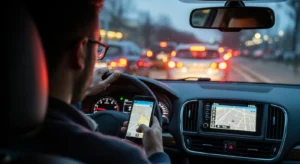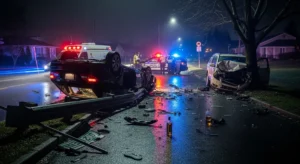
Distracted driving isn’t new. What’s new in 2026 is enforcement. Across the U.S., hands-free laws are being enforced more aggressively as grace periods end, and more drivers are getting cited for phone use that used to “slide.” That shift matters for one big reason: the harder the enforcement, the more phone evidence shows up in accident claims—and the more it can impact fault, settlement value, and negotiation leverage.
This guide explains what the 2026 crackdown trend means for a 2026 distracted driving accident claim, what evidence matters most, and the steps that protect your case from day one.
Important: This article is educational, not legal advice. Laws and deadlines vary by state. If you were injured, talk to a qualified local attorney about your specific facts.
Why distracted driving is trending again in 2026
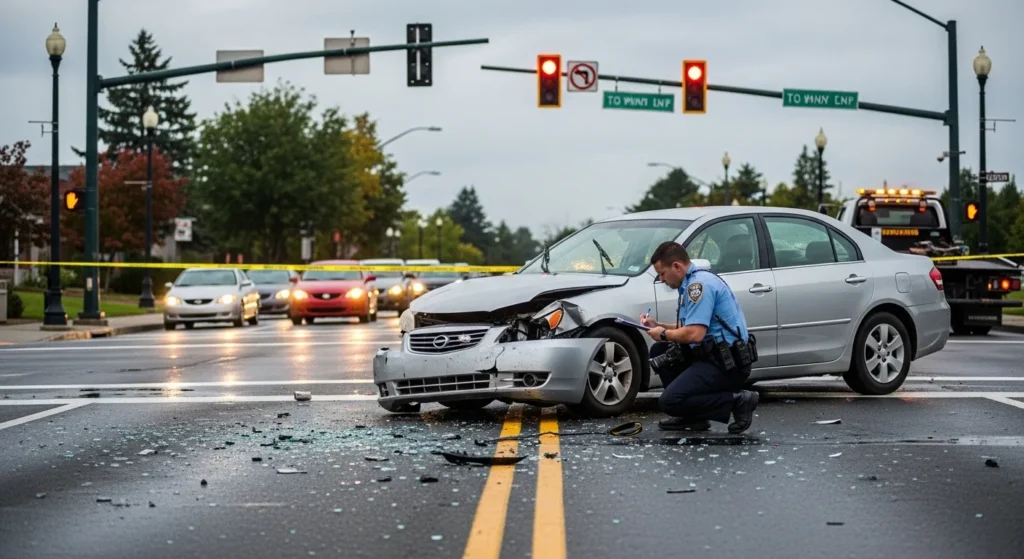
In 2026, multiple sources have pointed to a nationwide tightening of hands-free enforcement, especially as warning-only periods expire and fines/points begin applying. That enforcement shift does two things: (1) it increases citations for phone use, and (2) it increases the attention insurers place on “was the other driver on their phone?” in liability decisions. InsuranceNewsNet coverage is one example describing stricter hands-free enforcement and broader traffic law changes in 2026.
At the same time, NHTSA continues to highlight distracted driving as a major safety risk, with education on what counts as distraction and why it leads to crashes. NHTSA distracted driving is a strong authority reference for readers.
What “hands-free” means (and why it matters for your claim)
Hands-free laws differ by state, but the common thread is this: if a driver is holding, tapping, or manipulating a phone while driving, it can become evidence of negligence. In a claim, negligence isn’t just “bad behavior.” It’s a legal lever—proof that a driver failed to use reasonable care.
Even if the other driver doesn’t get cited at the scene, evidence of phone use can still matter later. Insurers may reassess fault when phone records, dashcam footage, or witness statements suggest distracted driving.
How distracted driving affects fault and compensation
Here’s the straight truth: in many cases, the biggest battle isn’t “were you injured?” It’s “who is at fault, and how much?” Distracted driving evidence can influence:
- Liability decisions (who caused the crash)
- Comparative fault arguments (insurers trying to reduce payout by assigning you a percentage)
- Settlement value (stronger liability = stronger negotiating position)
- Punitive damages potential in some jurisdictions and case types (fact-specific)
Insurers know that phone distraction can be persuasive to juries. So when the evidence is solid, it can force faster, higher-value settlements. When the evidence is weak, insurers may deny, delay, or lowball.
The evidence that wins distracted driving cases
If you suspect the other driver was distracted, you need more than a gut feeling. These are the evidence sources that actually move the needle:
1) Police report + citations
A citation for phone use isn’t required to win a claim, but it helps. The police report can also contain crucial details: witness names, admissions (“I looked down”), and scene observations.
2) Witness statements (the underrated weapon)
Independent witnesses can confirm behaviors like swerving, delayed braking, or looking down. If someone saw the driver holding a phone, get their name and contact info immediately.
3) Dashcam or nearby video
Dashcam footage can show lane drift, failure to brake, and sometimes phone handling. Also think bigger: nearby businesses, parking lots, traffic cams, and home security cams may have captured the crash window.
4) Phone records (time-stamped proof)
Phone records can show calls or texts at or near the crash time. In serious cases, attorneys may pursue subpoenas or preservation letters quickly to prevent data loss. Don’t assume this happens automatically—cases are won by early action.
5) Vehicle data (EDR / infotainment logs)
Many vehicles record crash-related data (speed, braking, throttle). While this doesn’t always prove phone use directly, it can prove “no braking” or delayed reaction—patterns consistent with distraction.
What to do after a crash (distracted driving edition)

If you want to protect a 2026 distracted driving accident claim, these steps are non-negotiable:
Step 1: Prioritize medical care
Get checked out. Concussions, soft tissue injuries, and back/neck injuries can worsen over days. Medical documentation is also the foundation of damages.
Step 2: Document the scene aggressively
- Photos of both vehicles (all angles)
- Skid marks, debris field, traffic signals/signage
- Weather and lighting conditions
- Your visible injuries (as appropriate)
Step 3: Capture distraction clues (without confronting anyone)
Don’t argue. But do observe and record facts. Examples:
- Was the driver holding a phone when you approached?
- Did they say anything like “I didn’t see you” or “I was checking…”?
- Were they using a navigation app in-hand instead of mounted?
Write these down immediately while your memory is fresh.
Step 4: Get witnesses before they disappear
People leave fast. Ask for names/numbers. If they won’t give a number, ask if they’ll email you a short statement.
Step 5: Avoid the insurance traps
Insurance adjusters are trained to reduce payouts. Common tactics include:
- Requesting a recorded statement early
- Framing your injuries as “minor” or “pre-existing”
- Pushing a quick settlement before treatment is complete
If you’re injured, you should be cautious about giving detailed recorded statements before you understand the full medical picture and liability evidence.
Common myths that hurt distracted driving claims
Myth 1: “If they weren’t ticketed, it doesn’t matter.”
Wrong. Citations help, but they’re not the whole case. Video, witnesses, phone records, and vehicle data can prove distraction even without a ticket.
Myth 2: “My injuries aren’t bad enough to matter.”
Insurers love this myth. Many serious injuries start as “just sore.” What matters is medical diagnosis, treatment, and how the injury affects your life and work.
Myth 3: “Social media won’t impact my claim.”
Also wrong. Posts can be misinterpreted. If you’re in an active claim, keep your life offline as much as possible and avoid discussing the accident publicly.
How 2026 enforcement trends change the negotiation game
With stricter hands-free enforcement, insurers know juries are less sympathetic to phone distraction. That can increase the value of strong evidence and reduce the credibility of “I just glanced for a second” defenses. As more jurisdictions treat phone use more seriously, claimants with clear distraction proof often gain leverage.
InsuranceNewsNet specifically notes that by 2026, many grace periods for hands-free laws have expired and enforcement has tightened nationwide—this adds context for why these cases are increasingly litigated and negotiated around phone use. Source
Suggested internal links (add these if they exist on your site)
If you want this post to strengthen your SEO “cluster,” link it to related guides on AccidentAdvocate.net. If you don’t have these pages yet, they’re excellent next-post ideas:
- What to Do After a Car Accident: Step-by-Step Checklist
- How to Deal With Insurance Adjusters (Without Getting Lowballed)
- Pain and Suffering: How It’s Calculated in Accident Claims
- Contact / Free Case Review
Authoritative external link (good for trust + SEO)
For readers who want a credible explanation of what distracted driving includes and why it causes crashes, NHTSA is a solid authority source:
NHTSA: Distracted Driving.
Bottom line
The 2026 crackdown on distracted driving is changing the claim landscape. More enforcement means more citations, more public awareness, and more insurer focus on phone evidence. If you’re building a 2026 distracted driving accident claim, your outcome often comes down to one thing: evidence quality.
Get medical care, lock in witness and video evidence early, document everything, and don’t let insurers rush you into a cheap settlement before you understand your injuries and the full liability picture.