California e-motorcycle accident claims 2026 cases are getting more attention because fast electric two-wheel devices are showing up near schools, sidewalks, crosswalks, parks, and neighborhood streets. Some riders call them e-bikes. Some sellers market them like recreational toys. But many high-powered models are closer to electric motorcycles than ordinary bicycles.
That difference matters after a crash. A legal e-bike must meet class, speed, power, pedal, age, and helmet rules. A high-powered e-motorcycle may require licensing, registration, safety equipment, and different riding locations. If a rider uses the wrong device in the wrong place, the injury claim can become more serious.
Victims should not assume these crashes are minor just because the vehicle looks small. A fast electric motorcycle can strike a pedestrian, cyclist, child, or driver with major force. The result may include broken bones, head injuries, spinal injuries, internal trauma, surgery, missed work, and long recovery periods.
This guide explains how California e-motorcycle accident claims 2026 may involve illegal devices, teen riders, parent responsibility, pedestrian rights, hit-and-run evidence, insurance disputes, and fast evidence preservation.
Why California E-Motorcycle Claims Are Becoming More Complicated
Electric mobility has grown faster than many families, cities, schools, and drivers expected. Traditional bicycles, Class 1 e-bikes, throttle e-bikes, Class 3 e-bikes, scooters, electric dirt bikes, and off-highway e-motorcycles can all appear in the same neighborhood. That creates confusion.
A person may buy a powerful device online and assume it follows bicycle rules. A teen may ride near a school without a license. A parent may allow the device because it seems common among other kids. A pedestrian may not expect a quiet electric motorcycle to approach at high speed.
California’s official Go Safely CA resource explains that e-bikes, e-scooters, and e-motorcycles have different rules. It also explains e-bike classes, helmet rules, rear light or reflector requirements, impoundment issues, and e-motorcycle restrictions. Readers can review the official safety resource here: Go Safely CA E-Bike, E-Scooter, and E-Motorcycle Safety.
Not Every Electric Two-Wheeler Is A Legal E-Bike
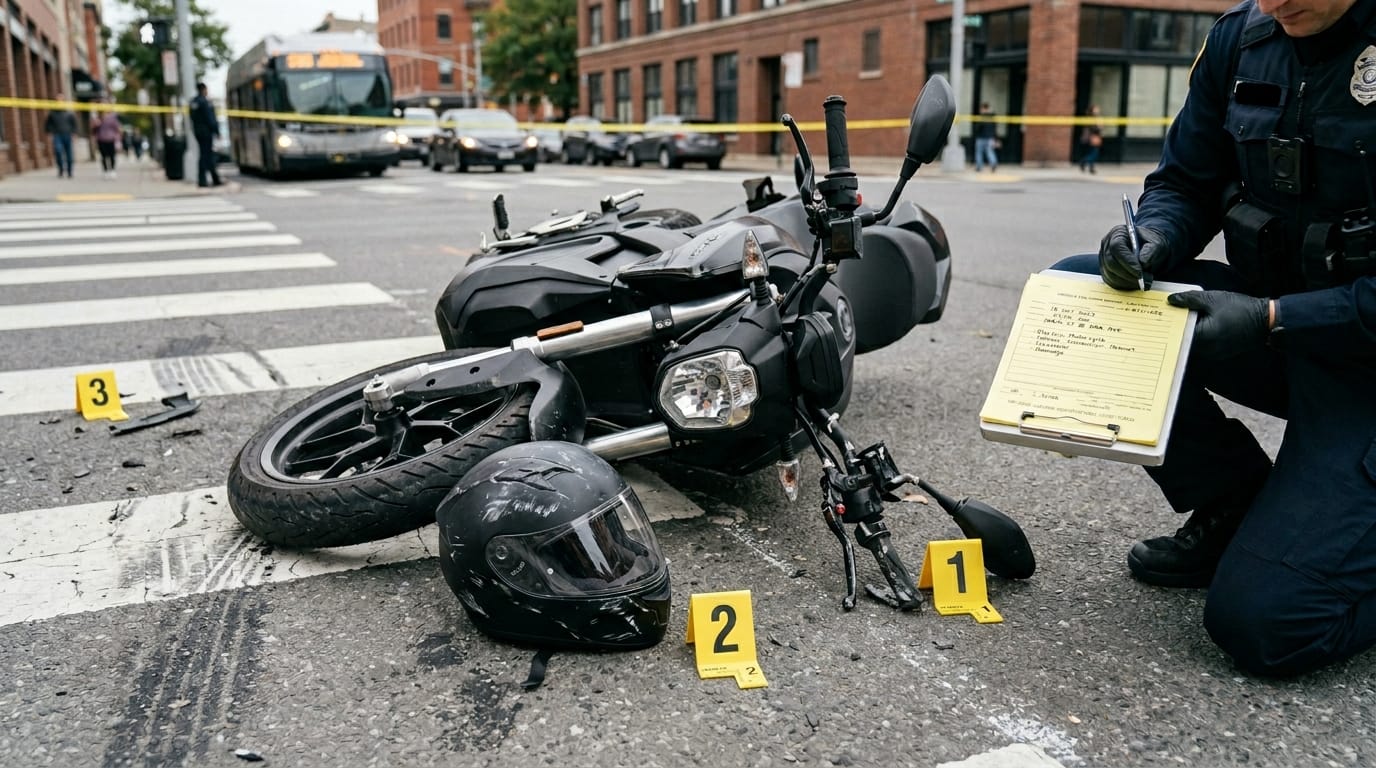
Many claims start with one key question. What was the rider actually operating? A true e-bike has working pedals and must fit legal power and speed limits. A device without pedals, or one that exceeds certain speed and power limits, may fall outside normal e-bike rules.
This difference can change the case. If the device was too powerful, the rider may have operated an illegal or improperly used vehicle. If the rider was underage, the claim may also involve adult supervision, ownership, prior warnings, and access to the device.
That does not mean the injured person must prove every technical detail alone. The device itself, purchase records, manual, online listing, battery, controller, throttle, display, and repair history may help show what the machine could do.
Speed, Power, And Pedals Can Affect Fault
Speed matters because it changes stopping distance and impact force. A rider traveling too fast may not stop for a pedestrian, school crossing, parked car, or driveway. A heavier electric device can also cause more harm than a traditional bicycle.
Power matters because it may determine whether the device legally qualifies as an e-bike. Pedals matter too. Some machines are marketed like bikes but operate more like electric motorcycles. If the device does not match the rules, that fact can support a negligence argument.
Victims should preserve the device whenever possible. Do not let anyone repair, modify, sell, or discard it before the evidence is reviewed.
Location Can Make The Claim Stronger
Where the crash happened can affect the liability analysis. A collision near a school, sidewalk, crosswalk, bike path, business district, or residential street may show that the rider should have expected pedestrians nearby.
School zones deserve special attention. Drivers and riders should use extra care when children, parents, buses, and crossing guards are present. If the crash happened near a school, readers can review California School Zone Accident Claims in 2026.
Parent Liability Can Become A Major Issue
When a minor causes an e-motorcycle crash, the case may not stop with the teen. Investigators may ask who bought the device, who stored it, who knew about unsafe riding, and who allowed access. Prior warnings can matter a lot.
A parent or guardian may face questions if they knew the device was too powerful, knew the child rode recklessly, or ignored warnings from neighbors, schools, police, or other adults. Civil liability and insurance coverage may depend on the facts.
The issue becomes even more serious when the rider flees the scene. A hit-and-run can create criminal consequences and make the injury claim harder. If the crash involved a fleeing rider or unidentified vehicle, read Fatal Hit-and-Run Crashes Are Surging in 2026.
Prior Warnings Can Support Negligence
Prior warnings can make a claim stronger. A warning shows that the danger was not hidden. It may show that an adult or rider knew about the risk before the crash happened.
Useful evidence may include text messages, school reports, police contacts, neighbor complaints, social media videos, prior citations, bodycam footage, and repair records. A pattern of unsafe riding can help prove the crash was foreseeable.
Victims and families should gather this evidence early. Videos can disappear. Posts can get deleted. Witness memories can fade. Strong claims often depend on what gets preserved in the first few days.
How Victims Can Protect An E-Motorcycle Injury Claim

The first step after any serious crash is medical care. Pedestrians, cyclists, and drivers should not ignore pain after impact. Headaches, dizziness, confusion, neck pain, back pain, hip pain, wrist pain, and numbness can point to injuries that need prompt treatment.
Medical records help protect both health and the claim. They connect the injury to the crash. They also document treatment, imaging, therapy, work restrictions, and future care needs. Insurance companies often attack claims when victims wait too long to get checked.
After medical care, evidence becomes the priority. Take photos of the scene, device, injuries, road surface, crosswalks, signs, skid marks, debris, lighting, and nearby cameras. Get witness names and contact details. Write down what the rider, parent, driver, or police officer said.
Insurance Coverage May Be Hard To Find
Insurance can get messy in California e-motorcycle accident claims 2026 cases. A standard auto policy may not cover every electric device. A homeowner or renter policy may have exclusions. A parent’s umbrella policy may matter. A product defect claim may involve a seller or manufacturer.
If the rider has no clear coverage, the victim may need to review their own policy. Uninsured or underinsured motorist coverage may help in some crash situations, but the facts and policy language matter. For more background, read California Underinsured Driver Accident Claims in 2026.
Technology evidence may also matter. Video, app records, GPS data, speed settings, and device diagnostics can show how the crash happened. If a driver-assistance system, blind spot, or vehicle technology issue played a role, see Blind-Spot Detection Crash Claims in 2026.
Do Not Give A Recorded Statement Too Quickly
Insurance adjusters may call before the victim knows the full facts. Be careful. Do not guess the rider’s speed, device class, distance, or fault. A rushed statement can create problems later.
It is better to stick with what you know. You can explain that the investigation is still ongoing. You can also preserve your right to review video, witness statements, device records, and medical findings before making detailed conclusions.
If phone use, screens, or distraction played a role, the claim may connect with 2026 Distracted Driving Crackdowns. Electric device crashes often involve more than one theory of fault.
The bottom line is direct. High-powered electric motorcycles are not harmless toys. When they hit pedestrians, cyclists, or vehicles, the injuries can be severe. The legal claim may involve the rider, a parent, a vehicle owner, a seller, a repair shop, an insurer, or another responsible party.
California e-motorcycle accident claims 2026 require fast action. Victims should get medical care, preserve the device, save photos and video, collect witness names, avoid rushed insurance statements, and review every possible source of liability before accepting blame or settlement money.
A small electric device can create a large legal problem. The strongest claims focus on facts, evidence, safety rules, and the full story behind the crash.