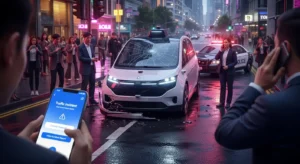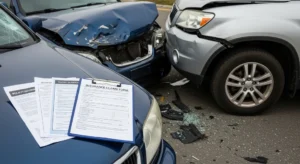
Robotaxi accident claims in 2026 are getting more attention for one clear reason. Autonomous ride services are no longer limited to test programs and headline demos. They are moving deeper into real public use, and that changes the legal risks after a crash. For injury victims, a robotaxi collision can look like an ordinary traffic case at first. Then the facts get more complicated. The vehicle may belong to an autonomous fleet. The ride may have been booked through a rideshare app. The fault may involve software behavior, fleet maintenance, a safety operator, or even another human driver sharing the road.
That shift makes this a strong topic for Accident Advocate. Your site already covers self-driving car accidents in California, rideshare accident claims, underinsured driver claims, and hit-and-run crashes. A robotaxi post ties those threads together in a more current way. It gives readers a practical 2026 update instead of repeating a basic self-driving explainer.
The legal issue is simple on the surface and messy underneath. When a robotaxi crash causes injury, victims want to know who pays. That answer may depend on the technology in use, the company behind the vehicle, the app used to arrange the ride, the insurance stack, and the type of evidence preserved right after the crash. A standard two-driver collision often turns on witness statements and police reports. A robotaxi case may also turn on data logs, camera footage, fleet records, and software event reports.
That is exactly why this topic is trending. More autonomous rides on public roads means more public attention, more crash scrutiny, and more pressure on insurers and companies to explain how these systems perform in real traffic. Victims need to understand that a robotaxi claim is not just a futuristic version of a car accident case. In many situations, it is a hybrid claim that combines personal injury law, rideshare-style insurance issues, and product-liability style questions in one file.
Why Robotaxi Accident Claims Are Becoming a Bigger Legal Issue in 2026
The rise in attention is not just about technology hype. It is about real deployment. As autonomous fleets move into more cities and more riders begin treating these services like an ordinary transportation option, the chance of real-world collisions naturally grows too. The more common the service becomes, the more often victims, passengers, pedestrians, and other drivers will face the same question: what makes a robotaxi accident claim different from a normal crash claim?
Robotaxi expansion changes the fault analysis
In a regular accident, people usually begin with the same framework. One driver acted negligently and caused harm. A robotaxi crash can still involve human negligence, but the picture may widen fast. A company may own the vehicle. A fleet operator may manage inspections and upkeep. A rideshare platform may control trip dispatch or customer communication. A human safety operator may have been present in some testing situations. Another driver may still share part of the blame. That means fault does not always point to one person.
Fleet operators and app platforms can enter the liability picture
This matters because victims should not assume the claim starts and ends with a single insurance card. A robotaxi may operate through a company-owned fleet rather than a private vehicle. If the crash involves poor maintenance, sensor issues, mapping failures, or a platform-related operational problem, the case may reach beyond the roadway conduct alone. That does not automatically mean the tech company is always liable. It means the investigation has to stay open long enough to identify every party that may have played a role.
This is where your existing self-driving article becomes a natural internal link. Readers who want a broader explanation of how liability can expand beyond the person behind the wheel can move into your post on self-driving crash responsibility. The robotaxi angle updates that conversation by showing how commercial deployment adds a rideshare-style business layer on top of the technology layer.
Digital evidence matters more than eyewitnesses alone
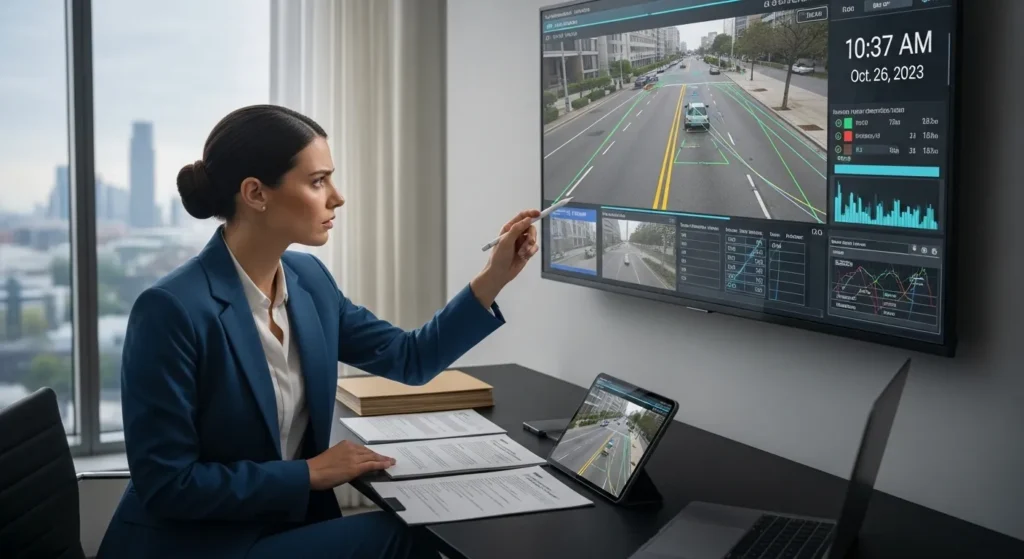
Traditional crash evidence still matters. Photos, witness names, vehicle damage, and medical records all remain important. But robotaxi claims often require more. The vehicle may capture video. The system may store operational logs. The company may hold internal incident reports, trip records, mapping data, or remote-assistance records. That kind of evidence can shape the whole claim because it may show what the system detected, how the vehicle responded, and whether the company knew about similar issues before.
Victims should take that seriously early. Video gets overwritten. Companies control access to internal data. Insurers often move quickly to frame the crash before the injured person understands what evidence exists. In a robotaxi case, preserving evidence is not just a good habit. It can be the line between a clear liability case and a dispute built on guesswork.
Insurance gets more complicated when automation meets rideshare
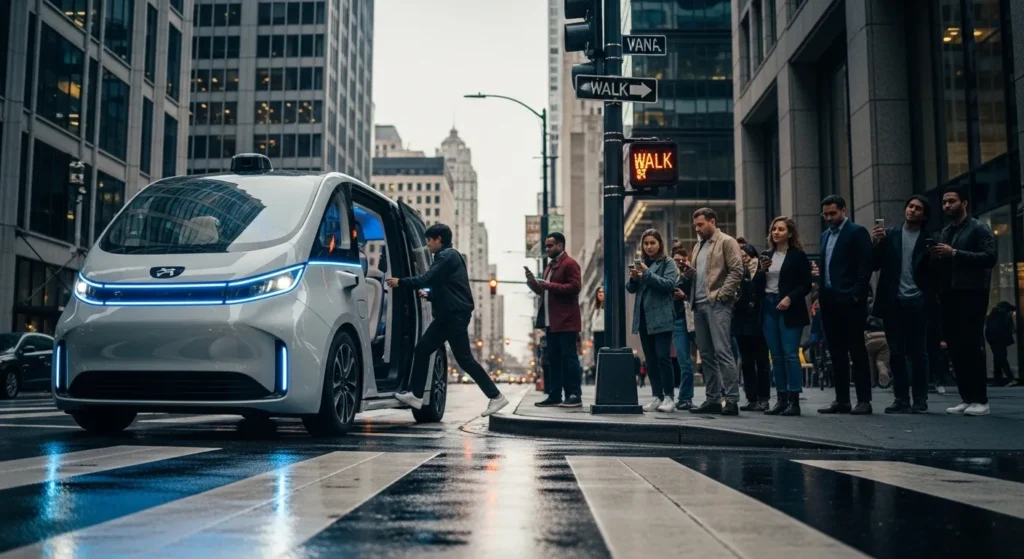
Insurance issues become more layered in these cases because robotaxis sit in the space between ordinary auto claims and commercial transportation claims. A human-driven rideshare crash already creates questions about driver status, app activity, and layered coverage. A robotaxi crash can add another level. The vehicle may be part of a company fleet. The company may carry commercial coverage. Another negligent driver may still have limited insurance. A victim’s own UM or UIM policy may still matter if the available coverage falls short of the harm.
Underinsured and rideshare issues can overlap in one case
That overlap is one reason this topic fits your site so well. A robotaxi passenger or another motorist may still face a shortage of available coverage depending on the crash facts. That connects directly with your article on underinsured driver claims. It also connects with your rideshare claims post because app-based transportation cases often involve layered responsibility and insurance complexity. A futuristic vehicle does not erase the same old claim problem of not enough money being available from the first obvious source.
Victims should also remember that some robotaxi crashes may still resemble ordinary accidents in one key way: another human driver may be the real cause. A distracted, drunk, speeding, or fleeing driver can hit an autonomous vehicle too. In that situation, the robotaxi angle may shape evidence and insurance, but it does not always change the core negligence theory.
What Injury Victims Should Do After a Robotaxi Crash
The smartest approach is to treat the case as both an injury claim and an evidence case from day one. People often wait too long because they assume the company operating the robotaxi will preserve everything fairly. That is not a safe assumption. Companies, insurers, and defense lawyers often begin shaping their position immediately after an incident. Victims need to move just as quickly, especially if the injuries are serious or the crash facts are disputed.
Early action protects both the injury claim and the tech evidence
Start with the basics. Get medical treatment right away. Photograph the scene, the vehicles, the roadway, and any visible injuries. Save screenshots from the rideshare or robotaxi app if you were a passenger. Write down the trip details, pickup location, drop-off route, and anything unusual you noticed before impact. If you were another driver, pedestrian, or cyclist, note the vehicle markings, any company identification, and the position of the robotaxi after the crash.
The first week often sets the tone of the whole case
The first week matters because that is when evidence is easiest to lose and insurers are most likely to push for a simple version of events. Witness memories fade fast. Nearby camera footage may disappear. A company may store useful data, but victims usually do not control it. That is why organized follow-through matters. Police reports, medical records, app screenshots, repair estimates, witness contacts, and any dashcam footage should all be preserved as early as possible.
Victims also need to be careful with recorded statements and early settlement pressure. A company or insurer may present the case as straightforward before the technical evidence comes into focus. That can be risky. A robotaxi claim may involve future treatment, lost income, pain and suffering, and evidence that takes time to uncover. Settling too early can leave serious value on the table.
This topic also creates useful internal-link paths across your site. Worried that fast insurer pressure can move into your underinsured driver post. Readers dealing with an app-booked trip can move into your rideshare claim guide. Facing a case involving autonomous technology can move into your self-driving liability article. That strengthens the site’s cluster while keeping the content highly relevant.
The bottom line is clear. Robotaxi accident claims in 2026 are important because they sit where autonomous technology, commercial transportation, and injury law now overlap. As companies expand service into more cities, more people will face collisions involving fleet-owned autonomous vehicles. Those cases are not impossible to understand, but they do require a wider investigation than the average crash. Victims need to look at fault, insurance, digital evidence, and company responsibility together, not one piece at a time.
For an authority source readers can review directly, you can point them to NHTSA’s Standing General Order on crash reporting for automated driving systems. That gives this article a strong external reference while reinforcing the real legal and regulatory context behind the trend.