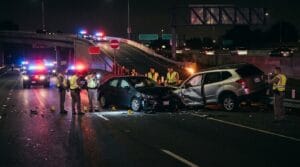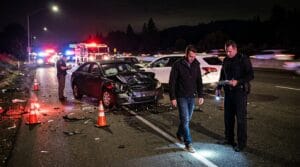
Hit-and-run accident claims are getting more attention in 2026 for one simple reason: fleeing drivers remain a serious and growing problem. When a driver causes a crash and leaves the scene, the victim is left dealing with injuries, property damage, insurance confusion, and a major evidence problem. In a standard car accident case, you usually know who hit you. In a hit-and-run claim, that basic fact may be missing from day one.
That makes these cases more stressful and more complicated than many people expect. Victims are often forced to rely on police reports, witness statements, surveillance footage, uninsured motorist coverage, and fast action to protect their recovery. If the other driver is never identified, the claim may still succeed, but only if the right steps are taken early.
This topic is a strong fit for Accident Advocate because it connects directly with the site’s existing content on what to do after a hit-and-run, claim deadlines after a car accident, mistakes to avoid after an auto accident, and how to maximize a personal injury settlement.
Why Hit-and-Run Claims Matter More in 2026
Hit-and-run crashes have always been serious, but they are getting harder to ignore. Recent traffic safety research has pushed the issue back into the spotlight because more victims are being left without immediate accountability. These crashes often happen at night, in poor visibility, or in situations where the fleeing driver believes they can escape before being identified.
That is exactly why hit-and-run accident claims are trending. They combine two major legal problems at once: proving what happened and figuring out who pays. Even when a victim clearly did nothing wrong, the absence of the at-fault driver can make insurers push back harder than they would in a normal crash case.
For many victims, the biggest question becomes whether their own policy can help. In California, uninsured and underinsured motorist coverage may be critical in these cases, especially when the fleeing driver is never found or turns out to have no usable coverage.
What Makes a Hit-and-Run Claim Different From a Typical Car Accident Case?

In a normal crash, the claim usually begins with an exchange of names, insurance information, and a police report. In a hit-and-run, one side disappears. That missing information changes everything. Instead of building the case around the other driver’s insurer, the victim may need to prove the crash through indirect evidence and then make a claim under their own policy.
That can surprise people. Many assume that if the other driver disappears, recovery is impossible. That is not always true. A hit-and-run case may still involve:
- Uninsured motorist bodily injury coverage
- Collision coverage for vehicle damage
- Medical payments coverage
- Witness statements and surveillance footage
- Police investigation records
- Later civil claims if the fleeing driver is identified
In other words, the case is not automatically dead. But it does become more evidence-sensitive from the start.
The First 24 Hours Matter More Than Most Victims Realize
If you are involved in a hit-and-run, what you do next can directly affect the strength of your claim. The first priority is safety and medical care. The second priority is documentation. Delays can be costly because skid marks fade, debris gets cleared, businesses overwrite surveillance video, and witnesses become harder to find.
Strong early steps usually include:
- Calling 911 or local law enforcement immediately
- Getting medical attention, even if symptoms seem minor
- Photographing damage, debris, road layout, and injuries
- Asking witnesses what they saw and getting contact information
- Looking for nearby homes, stores, or traffic cameras
- Writing down any details about the fleeing vehicle right away
Even a partial license plate, vehicle color, direction of travel, bumper damage, or business logo can become useful later. Small details often matter more than people think.
Why Insurance Becomes the Real Fight
In many hit-and-run accident claims, the insurance battle becomes the central issue. If the driver is unknown, your own insurer may step into the role that the at-fault insurer would normally fill. That does not mean the process becomes easy. Insurance companies still review these claims carefully and may question how the crash happened, whether contact occurred, how serious the injuries are, and whether the evidence is strong enough.
This is where policy language matters. In California, uninsured motorist coverage is not automatically required for every driver to buy, but insurers must offer it. If you turned it down in writing, your recovery options may be narrower. If you kept it, it can become one of the most important protections in a hit-and-run case.
Vehicle damage can raise a separate issue. Uninsured motorist property damage in California has limits and usually requires that the uninsured driver be identified. That means collision coverage may become more important for repair or replacement of the car, depending on the facts of the crash and the coverage in place.
California Drivers Also Need to Think About SR-1 Reporting
Many drivers assume that calling police is enough after a crash. In California, that is not always the full picture. If someone is injured or killed, or if property damage exceeds the reporting threshold, a separate DMV reporting requirement may apply. Missing that step can create added problems while you are already trying to deal with treatment, vehicle damage, and insurance paperwork.
This is one reason hit-and-run cases can spiral fast. The victim is injured, the other driver is gone, and multiple reporting and documentation obligations may still remain. That is why organized follow-through matters almost as much as what happened at the scene.
Evidence That Can Make or Break the Claim

Because the fleeing driver may not be available to identify or admit fault, evidence becomes the backbone of the case. The best claims are usually built around a combination of physical evidence, witness support, and documentation.
The most useful forms of proof often include:
- Photos of vehicle damage and impact points
- Broken parts, paint transfer, and debris in the roadway
- Police report details
- Medical records created soon after the crash
- Body shop repair estimates
- Doorbell camera, traffic camera, or business surveillance footage
- Witness observations about the vehicle or driver behavior
If the crash involved a pedestrian or cyclist, nearby lighting, crosswalk location, and visibility conditions may also become critical. These cases are especially vulnerable because the victim may not have time to observe the fleeing vehicle clearly during impact.
What Compensation May Be Available?
Like other injury cases, hit-and-run accident claims may involve compensation for both economic and non-economic losses. Depending on the coverage and case facts, a victim may pursue recovery for:
- Emergency treatment and hospital bills
- Follow-up medical care and rehabilitation
- Lost wages and reduced earning ability
- Vehicle repair or replacement costs
- Pain and suffering
- Emotional distress and anxiety after the crash
- Out-of-pocket expenses tied to recovery
The value of the claim usually depends on the seriousness of the injuries, the quality of the documentation, the available insurance coverage, and whether the fleeing driver is eventually found. If the at-fault driver is identified later, the claim may expand beyond a simple first-party insurance matter.
Why Victims Should Be Careful With Early Insurance Statements
After a hit-and-run, many people are shaken, in pain, and unsure what they remember. That is exactly why early recorded statements can be risky. A person may guess at a detail, leave something out, or speak before they understand the full extent of their injuries. Later, the insurer may point to those early statements as inconsistent.
That does not mean you should ignore your carrier. It means you should be accurate, careful, and organized. Stick to facts, preserve records, and avoid overstating or understating what happened. In more serious cases, it is often worth getting legal guidance before the claim becomes a dispute over wording and timing.
How This Topic Fits Accident Advocate’s Existing Content
This post fits naturally into the site’s current structure. It complements your article on distracted driving claims in 2026, your guide on drunk driving accidents, and your existing post on rideshare accident claims. It also strengthens the site’s insurance and accident-claim cluster by giving readers a current, authority-backed article that expands on an already relevant topic rather than repeating a generic crash checklist.
Conclusion
Hit-and-run accident claims are a strong 2026 topic because they sit at the center of what makes modern accident cases difficult: missing drivers, insurance friction, urgent evidence preservation, and serious injuries with no immediate accountability. Victims should not assume they are out of options just because the other driver fled.
The smarter approach is to act fast, document aggressively, understand your coverage, and avoid casual mistakes that weaken the claim. A hit-and-run case is often won or lost in the first days after the crash. That is why the right information matters early, not after the paperwork and evidence problems have already started.
For official background, readers can also review the AAA Foundation update on hit-and-run crashes, the California DMV SR-1 reporting page, and the California Department of Insurance guide to UM/UIM coverage.