Blind-spot detection crash claims matter more in 2026 because more drivers now trust their cars to notice what they miss. That sounds like progress, and in some ways it is. Modern driver-assistance systems can reduce some crashes and alert drivers to hazards they might otherwise ignore. But when a collision still happens, injured victims often run into a new problem: the defense starts acting as if the technology should excuse the driver.
That is where these cases get tricky. A driver says the warning never came on. An insurer argues the victim must have appeared too suddenly. A manufacturer points to the system’s limits. Meanwhile, the injured person is left trying to prove what happened in the few seconds before impact. In 2026, that kind of dispute is no longer rare. It is becoming a familiar pattern in claims involving lane changes, side-swipes, merge collisions, and crashes in heavy traffic.
Why Blind-Spot Detection Crash Claims Matter More in 2026
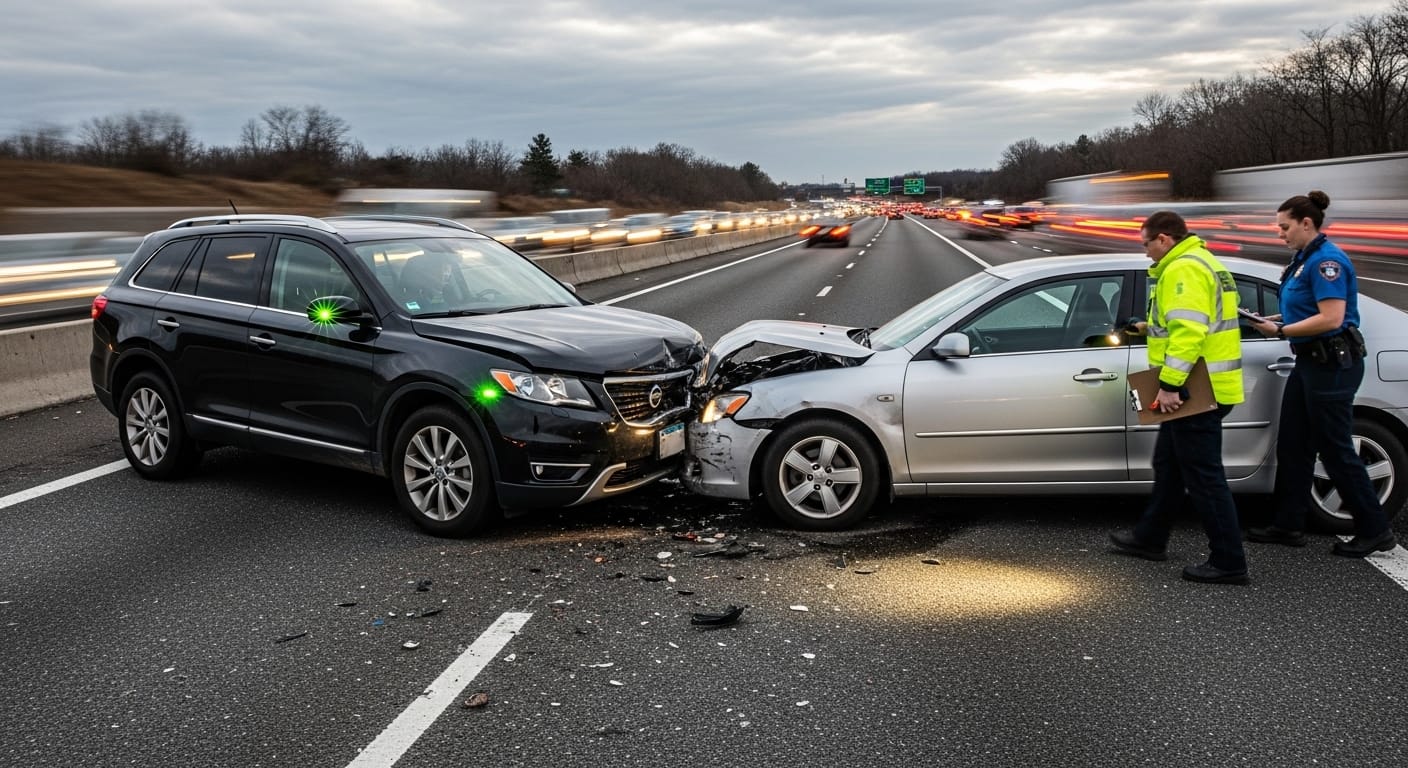
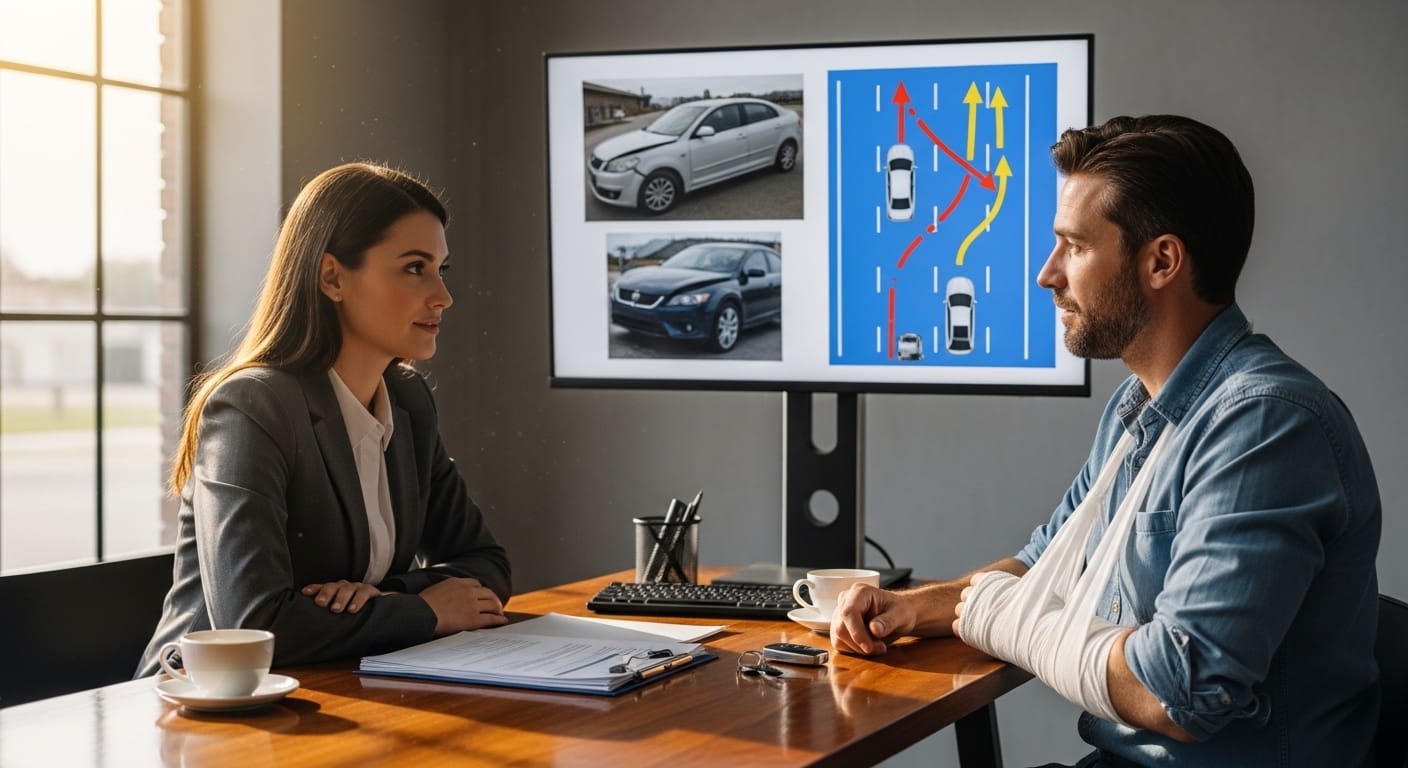
Blind-spot detection crash claims matter more now because driver-assistance systems are common enough that many drivers no longer treat them as optional extras. They treat them as silent backups that will catch a mistake before it turns into a collision. That mindset changes behavior. Some drivers still check mirrors carefully and use the systems the way they were intended. Others start trusting the warning light more than their own attention.
What blind-spot systems are supposed to do
Blind-spot systems are designed to monitor the space beside and slightly behind a vehicle. In many cars, they warn the driver when another vehicle is traveling in a hard-to-see position. Some systems go further and try to intervene if the driver begins moving into an occupied lane. That can reduce risk. It can also create false confidence if the driver starts thinking the car will always save them from a bad decision.
Assistive technology is not the same as automatic responsibility shifting
This is the part many people get wrong after a crash. The existence of a warning system does not automatically protect the driver from blame. A driver still has a duty to check mirrors, signal, look, judge traffic, and avoid unsafe lane movement. A blind-spot system may support that duty, but it does not replace it. If a driver changes lanes carelessly and hits another car, the defense cannot wipe away that conduct by saying the vehicle had advanced features.
Systems still have limits, and those limits matter in claims
Every system has limitations. Weather, speed, angle, road curvature, sensor obstruction, vehicle size, and system design can all affect performance. Some features warn only under narrow conditions. Some intervene only at certain speeds. Some may detect one kind of hazard better than another. That does not mean the driver gets a free pass. It means the claim may turn on both human behavior and technical limits at the same time.
Why these crashes are becoming harder to evaluate
Ten years ago, a simple side-swipe often turned into a basic he-said-she-said dispute. In 2026, the same crash may involve a new layer of argument. The insurer may ask whether the warning activated. The driver may claim the system malfunctioned. The injured person may suspect distraction, fatigue, or overreliance on the car’s safety features. In other words, the fight is no longer just about what the driver saw. It may also be about what the system did or did not detect.
That makes these claims more technical than they first appear. It also makes them a strong topic for your site because they sit at the intersection of distracted driving, self-driving liability, rideshare-style tech evidence, and ordinary negligence. A crash that starts as a lane-change case can quickly become an evidence case.
How Fault, Evidence, and Insurance Work in Blind-Spot Detection Crash Claims
Most blind-spot detection crash claims still rise or fall under ordinary negligence rules. The injured person has to show what the other driver did wrong, how that conduct caused the crash, and what harm followed. The presence of driver-assistance technology can shape the facts, but it does not change the basic legal structure. Fault still turns on conduct, timing, visibility, and proof.
What victims still need to prove after a driver-assistance crash
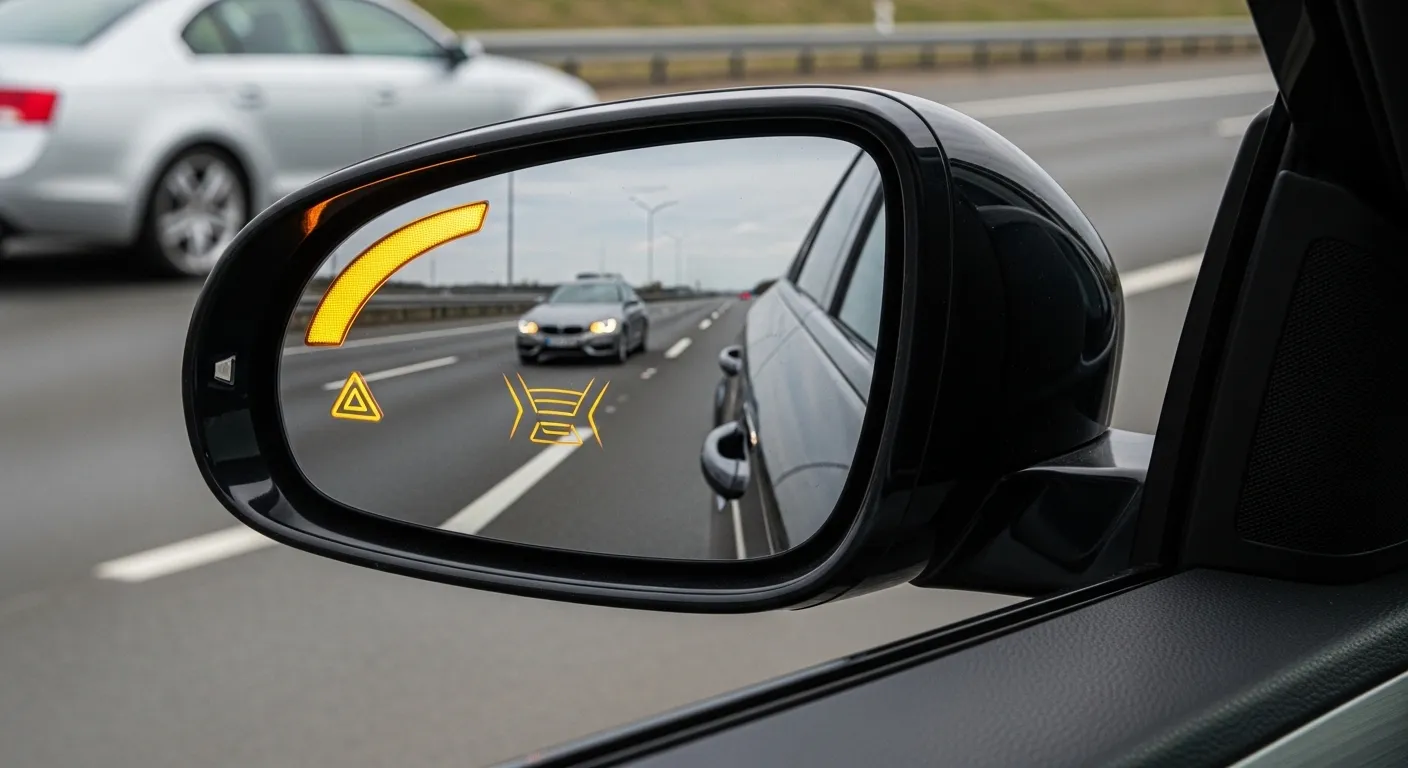
The central issue is usually simple: did the driver move when it was unsafe to move? A driver may blame the technology, but that does not erase the duty to drive carefully. A warning system may have failed to alert. The driver may have ignored the alert. The system may not have been designed for the exact situation that led to the crash. All of those possibilities can matter. Still, the key question remains whether the driver acted reasonably before changing position or drifting into another lane.
What evidence matters most right away
Start with the basics. Get medical care. Photograph the vehicles, lane position, damage angles, skid marks, debris, and roadway layout. Save dashcam footage if you have it. Get witness names before they disappear. Ask whether nearby businesses, traffic cameras, or home cameras may have captured the event. If the other vehicle had a visible driver-assistance package or if the driver mentions a warning system, note that immediately. Small facts can become major leverage later.
Digital evidence matters more than ever here. Vehicle photos may show the trim level and likely safety features. Repair records may matter. Event data can matter. Phone records may matter if distraction is suspected. That is why this topic links so naturally to your distracted-driving article. A driver who says the system failed may have really failed to pay attention. The technology angle does not cancel the distraction angle. Sometimes it strengthens it.
Why insurer arguments can be misleading
Insurers often try to use the technology itself as a shield. They may imply that a car with blind-spot monitoring should not have caused the crash unless the victim did something sudden or unreasonable. That argument sounds polished, but it is not proof. Driver-assistance features reduce risk. They do not remove risk. They also do not transform every equipped driver into a careful one. A careless lane change can still be careless even when the car carries expensive sensors.
Why insurance and compensation can still get messy fast
Insurance fights in these cases can turn ugly because the defense may split the blame several ways at once. They may blame the victim, the roadway, the traffic pattern, or the technology itself. They may even hint that the manufacturer should be part of the story. Sometimes those arguments have some value. Often they are just attempts to muddy the claim early and reduce settlement pressure.
Victims also need to think about coverage. If the at-fault driver carries too little insurance, underinsured motorist issues may matter. If the crash involves app-based transportation or a fleet vehicle, another layer of insurance may come into play. If the driver flees after impact, the case may shift toward the same urgent proof problems covered in your hit-and-run content. A modern crash can still lead back to old claim problems, especially not enough money and not enough early evidence.
The bottom line is simple. Blind-spot detection crash claims matter in 2026 because safety technology is growing, but so is confusion about what that technology actually does. Driver-assistance systems can lower crash rates and still leave injured people with real claims when drivers overtrust them, misuse them, or stop paying full attention. Victims should not assume the system tells the whole story. They should treat these cases as evidence-driven negligence claims from day one.
For readers who want a strong authority source, the best starting point is NHTSA’s Driver Assistance Technologies page.