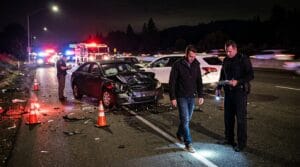
A video streaming while driving accident claim can become more serious than an ordinary distracted driving case because it involves more than a quick text message. In 2026, drivers are not only checking calls or sending texts. Some are watching short videos, scrolling social media feeds, recording content, joining livestreams, or looking at entertainment apps while the vehicle is still moving.
That behavior creates a major safety risk. A driver who looks down at a video may miss stopped traffic, a red light, a pedestrian in a crosswalk, a cyclist, a motorcycle, or a vehicle slowing ahead. When the crash happens, the injured person may already suspect distraction, but suspicion is not enough. A strong claim needs evidence that shows what the driver was doing before impact.
This is where a video streaming while driving accident claim becomes evidence-heavy. The case may involve phone records, app activity, dashcam footage, nearby security video, witness statements, police reports, vehicle event data, and even the driver’s own social media activity. Accident Advocate already covers related topics like 2026 distracted driving accident claims, automatic emergency braking accident claims, and blind-spot detection crash claims. This guide focuses on the newer problem of drivers treating moving vehicles like entertainment spaces.
This article is for educational purposes only and is not legal advice. Accident laws, deadlines, evidence rules, and insurance requirements vary by state. If you were injured in a crash, speak with a qualified local attorney about your specific situation.
Why Video Distraction Is Becoming A Bigger Accident Claim Issue
Distracted driving has been a legal issue for years, but video-based distraction adds a different layer. Texting usually involves reading or typing. Video streaming pulls the eyes, mind, and sometimes hands away from driving for longer stretches. A driver may glance down repeatedly, hold the phone lower than the windshield, react to notifications, or keep a livestream running while traffic changes around them.
The danger is obvious. Driving requires constant attention. A vehicle traveling at road speed can cover a large distance in just a few seconds. If the driver looks at a video during that time, they may fail to brake, drift from a lane, miss a pedestrian, or strike the rear of another car. When that happens, the injured person may face medical bills, lost wages, pain, therapy, vehicle repair costs, and weeks or months of uncertainty.
For a trusted safety reference, readers can review the National Highway Traffic Safety Administration distracted driving resource. NHTSA continues to warn that distracted driving causes preventable deaths and injuries. For injury claims, the important point is simple: distraction can help prove that a driver failed to use reasonable care.
From Texting To Watching: Why This Behavior Is Different
A video streaming while driving accident claim often looks different from a normal phone-use claim. The driver may not admit that they were watching a video. They may say they were using navigation, changing music, answering a call, or checking a notification. Insurance companies may repeat that explanation because it helps reduce liability.
Victims should be careful with assumptions. The goal is not to guess. The goal is to preserve evidence before it disappears. A driver who was watching a short-form video may leave behind digital clues. There may be app activity close to the crash time. A livestream may have viewers or comments. A video recording may show the driver’s movement, road sounds, or sudden impact. A witness may have seen the phone in the driver’s hand. Dashcam footage may show no braking before impact.
These details matter because accident claims often turn on timing. If phone activity occurred seconds before impact, it can support the argument that the driver was distracted when they should have been watching the road. If vehicle data shows no braking, no steering correction, or delayed reaction, that evidence may strengthen the claim even more.
Short Glances Can Still Create Long Legal Problems
Drivers often minimize phone distraction by saying they only looked down for a second. That excuse should not end the discussion. A short glance can still be enough to miss a stopped vehicle, a child entering a crosswalk, a motorcycle in traffic, or a traffic signal changing from yellow to red.
In an injury claim, the question is not whether the driver watched an entire video. The question is whether the driver acted reasonably. If a reasonable driver would have kept their eyes on the road, slowed down, braked earlier, or noticed a hazard, then even a brief video-related distraction may support fault.
Infotainment Screens And Mounted Phones Can Still Distract Drivers
Some drivers believe they are safe because the phone was mounted or connected to the vehicle screen. That is not always true. A mounted phone can still create visual and mental distraction. A dashboard screen can still require tapping, scrolling, searching, or watching. A hands-free setup does not give a driver permission to ignore traffic.
This issue can overlap with newer vehicle technology. A driver may rely on lane assistance, adaptive cruise control, automatic emergency braking, or blind-spot alerts while looking away from the road. However, safety systems do not erase the driver’s duty to pay attention. Readers can also review Accident Advocate’s article on robotaxi accident claims for more background on how technology can complicate liability after a crash.
Evidence That May Prove The Driver Was Watching Or Recording
A strong video streaming while driving accident claim depends on evidence. Injured victims should not rely only on what the other driver says at the scene. People panic after crashes. Some drivers deny phone use immediately. Others delete posts, close apps, erase videos, repair vehicles, or change their story once the insurance company gets involved.
Important evidence may include the police report, witness names, dashcam clips, nearby security camera footage, traffic camera footage, photographs of the phone location, vehicle damage patterns, skid marks, debris, road signs, intersection layout, and medical records. In more serious cases, an attorney may also seek phone records, app data, social media records, vehicle event data, and preservation letters to prevent key information from being destroyed.
Phone records may show calls or texts, but video app activity can be more complicated. App use, livestreams, uploads, screen recordings, and deleted content may require a deeper investigation. That is why early action matters. Waiting too long can allow video files, dashcam loops, business camera footage, and app activity records to disappear.
What Victims Should Preserve Before It Disappears
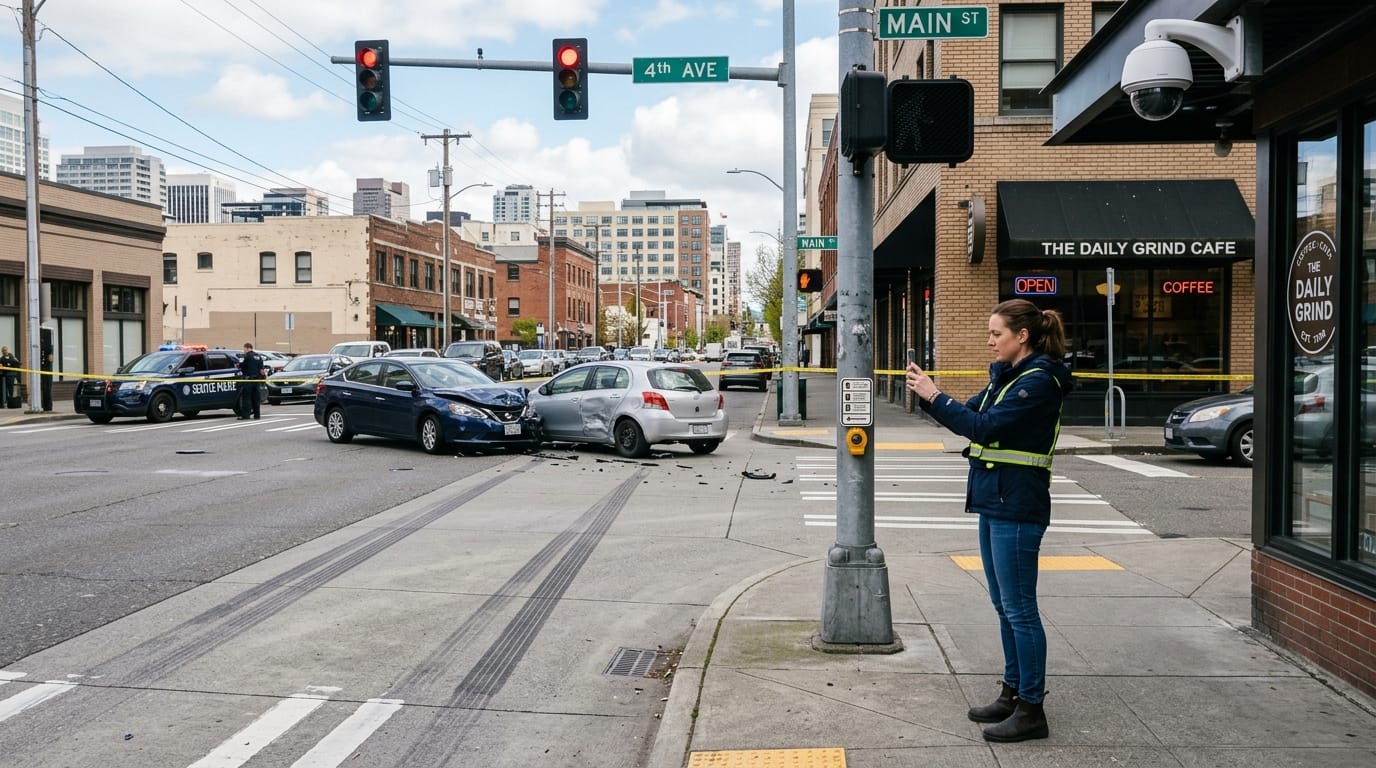
Victims should start with practical documentation. Take photos of the vehicles from all angles. Capture the intersection, lane markings, traffic signals, crosswalks, signs, skid marks, debris, lighting, weather, and visible injuries. If the crash happened near a store, gas station, apartment building, school, or traffic camera, write down the location immediately. Video footage may be deleted within days.
Witnesses can also be critical. Ask for names and phone numbers before people leave. A witness who saw the driver looking down, holding a phone, recording, laughing at a screen, or failing to react can make the claim stronger. If the other driver says something like “I did not see you” or “I looked down for a second,” write it down as soon as possible.
Medical evidence is just as important. Get checked after the crash, especially if you have headaches, dizziness, neck pain, back pain, numbness, shoulder pain, knee pain, anxiety, or sleep problems. Delayed symptoms are common after collisions. Insurance companies often attack claims when victims wait too long to seek care.
How Victims Can Build A Strong Video-Distraction Injury Claim
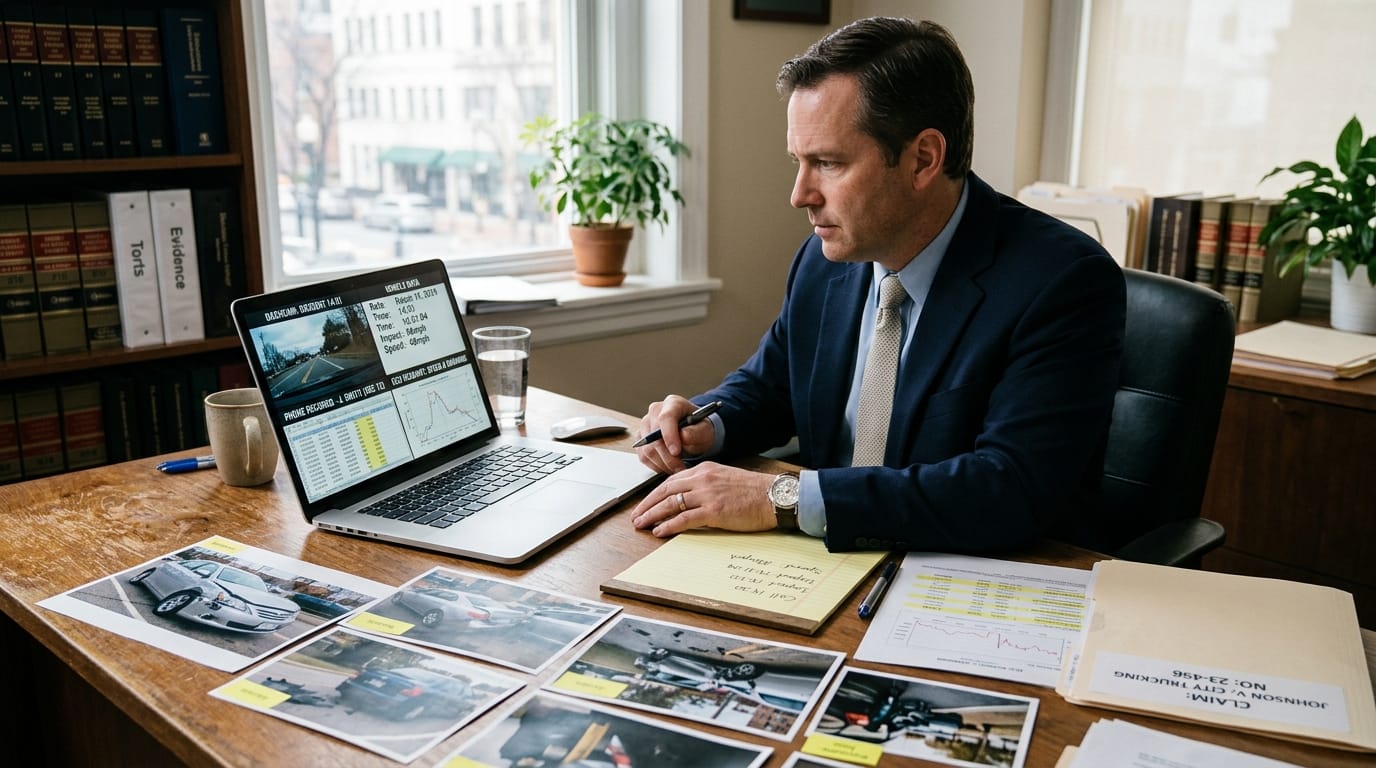
Building a video streaming while driving accident claim requires two things: proof of fault and proof of damages. Fault evidence explains why the crash happened. Damage evidence explains how the crash affected the injured person’s body, finances, work, and daily life.
Fault evidence may show that the driver failed to brake, drifted lanes, ran a red light, rear-ended another vehicle, hit a pedestrian, or made an unsafe turn because their attention was on a screen. Damage evidence may include emergency room records, imaging results, therapy notes, prescriptions, specialist reports, wage-loss documents, repair estimates, rental car bills, and pain journals.
The claim may also involve insurance coverage disputes. If the distracted driver has limited coverage, the injured person may need to review uninsured or underinsured motorist benefits. Accident Advocate’s guide on California underinsured driver accident claims explains why one policy may not be enough after a serious injury crash.
Insurance Companies May Still Try To Shift Blame
Even when distraction seems obvious, insurance companies may still challenge the claim. They may argue that the injured person stopped too suddenly, crossed outside a crosswalk, failed to use a signal, was speeding, or had pre-existing injuries. In pedestrian cases, they may argue the victim was not visible. In rear-end crashes, they may argue the lead vehicle made an unexpected move.
This is why evidence must be organized. A video-distraction claim should not depend on emotion alone. It should connect the timeline: what the driver was doing, where the vehicles were, what the video or witnesses show, when braking should have happened, when impact occurred, and how the injuries followed.
Victims should also be careful with recorded statements. Adjusters may ask questions before the victim has reviewed the police report, seen medical results, or confirmed video evidence. A rushed answer can be used later to reduce the claim. It is better to be accurate than fast.
Do Not Let The Claim Turn Into A Guessing Game
The strongest claims replace guesswork with documentation. Instead of saying, “The driver must have been watching TikTok,” the better approach is to gather proof. Was there a witness? Was there a dashcam? Did the driver upload a video? Did phone activity match the crash time? Did the vehicle data show no braking? Did the police report mention distraction?
That evidence can change settlement leverage. A distracted driver may look careless to an insurer, judge, or jury. Clear proof of video streaming, livestreaming, recording, or scrolling can make it harder for the defense to call the crash unavoidable.
Video streaming while driving is not a harmless habit. It is a dangerous choice that can cause serious injuries in seconds. If you were hurt by a distracted driver, focus on medical care, fast evidence preservation, witness information, video footage, and complete documentation of your losses. A strong video streaming while driving accident claim starts with one basic rule: do not let the evidence disappear before the truth is clear.