Street takeover accident claims are becoming a serious issue in California. These crashes may involve cars doing donuts, dirt bikes weaving through traffic, ATVs blocking lanes, or groups of riders shutting down intersections. What looks like a reckless stunt can quickly turn into a serious injury claim.
Victims often face more than one problem after these events. The rider or driver may flee. The vehicle may have no plate. The person may have no insurance. Several people may share fault. Video may exist, but it can disappear fast. That makes these cases different from ordinary car accidents.
California law treats sideshows and street takeovers seriously. A sideshow can involve two or more people blocking or impeding traffic to perform stunts, speed contests, exhibitions of speed, or reckless driving for spectators. That conduct can create powerful evidence in a civil injury claim.
This guide explains how street takeover accident claims work, who may be liable, what evidence matters, and what injured people should do after a sideshow, dirt bike, ATV, or blocked-road crash.
Why Street Takeover Accident Claims Are Trending
Street takeovers are not normal traffic events. They often involve planned gatherings, blocked roads, speeding, stunts, and vehicles that should not be on public streets. These events can stop traffic and create sudden danger for drivers, passengers, pedestrians, cyclists, and lawful motorcyclists.
A crash can happen in several ways. A stunt driver can lose control. A dirt bike rider can hit a stopped car. An ATV can swerve into traffic. A driver can brake suddenly to avoid the group, then get rear-ended. A pedestrian can get hit while trying to move away from the chaos.
California’s Vehicle Code section 23109 addresses speed contests, exhibitions of speed, and sideshows. It also defines a sideshow as an event where two or more people block or impede traffic for stunts, speed contests, exhibitions of speed, or reckless driving for spectators. Readers can review the official text through California Vehicle Code section 23109.
How Sideshows and Takeovers Cause Injuries
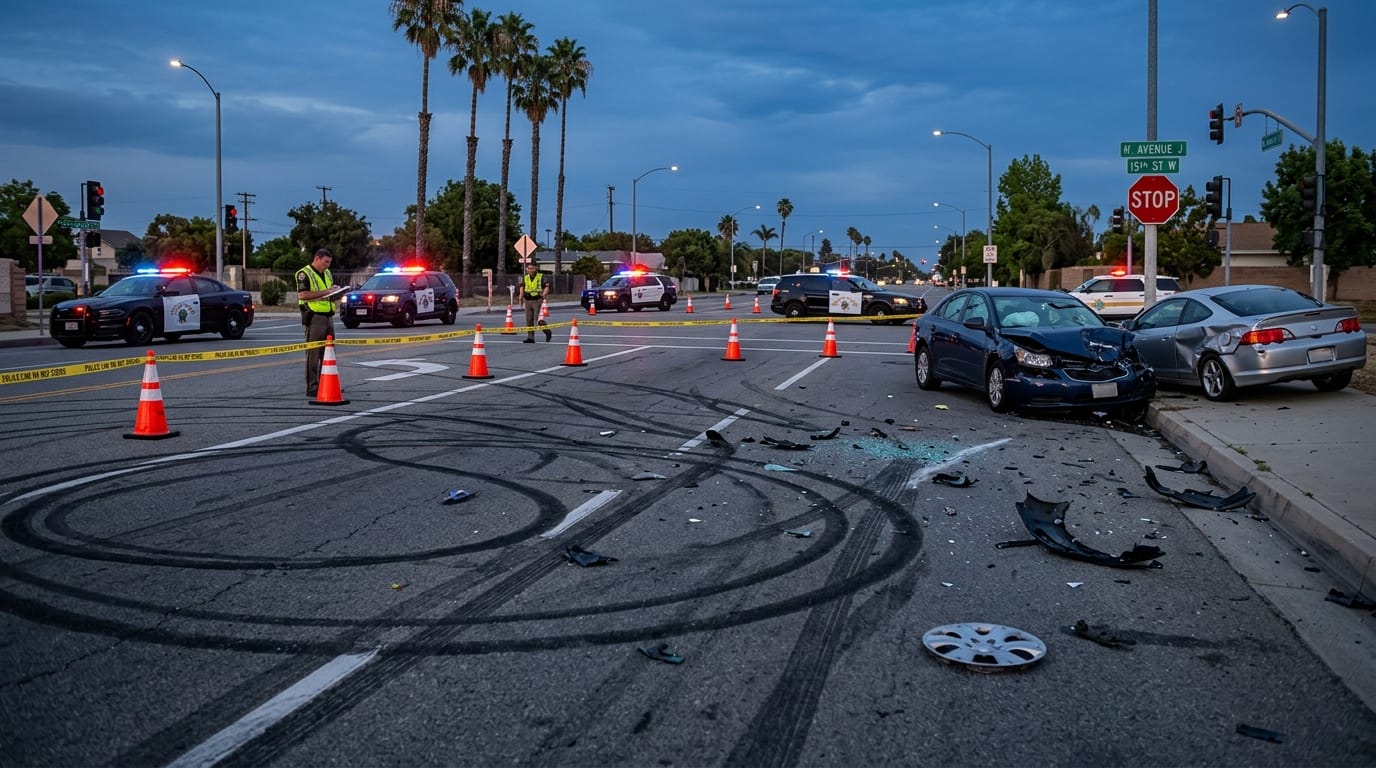
Street takeover accident claims can involve direct and indirect injuries. A direct injury happens when a reckless driver or rider hits someone. An indirect injury happens when the takeover triggers another crash. Both can create valid claim issues.
For example, a driver may stop to avoid riders blocking an intersection. Another vehicle may hit that driver from behind. The reckless riders may never touch the victim’s vehicle, but their conduct may still help explain why the crash happened.
In other cases, a pedestrian may get hurt while trying to escape a crowded street. A cyclist may fall after swerving away from an ATV. A lawful motorcyclist may crash while avoiding a dirt bike rider traveling against traffic. These facts can make liability messy.
Blocked Roads Can Create Chain-Reaction Crashes
Blocked roads can turn ordinary traffic into a hazard. Drivers may panic, stop hard, or make sudden lane changes. A chain-reaction crash can follow within seconds.
Insurance companies may try to blame only the last vehicle in the chain. That approach can miss the real cause. Video, witness statements, and police reports can show whether a takeover created the danger before the impact.
Dirt Bikes and ATVs Create Insurance Problems
Dirt bikes and ATVs can make the claim harder. Many have no license plate. Some are not street legal. Some riders carry no insurance. Others flee before police arrive.
That does not mean the victim has no options. A claim may involve uninsured motorist coverage, another driver’s policy, a vehicle owner, a parent, a property owner, or another negligent party. Your site’s guide on California underinsured driver accident claims connects well with this issue.
Who May Be Liable After a Street Takeover Crash?
Liability depends on the facts. The person who hit the victim may be liable. A driver who blocked traffic may also share fault. A rider who forced traffic to stop may become part of the claim, even without direct contact.
Organizers may also face questions. If someone helped plan, promote, or coordinate the event, their role may matter. A vehicle owner may also face scrutiny if they allowed an unlicensed or reckless person to use the vehicle.
Parents can become part of the investigation when minors ride illegal dirt bikes, ATVs, or motorcycles on public roads. A claim may ask who bought the vehicle, who allowed the ride, and who knew the risk.
Commercial parties can also enter the case. A delivery driver, rideshare driver, or truck driver may react carelessly during the takeover and hit another vehicle. In that situation, both the takeover conduct and the commercial driver’s actions may matter.
What Victims Should Do After a Takeover-Related Crash
After a takeover crash, safety comes first. Move away from active traffic if you can do so safely. Call 911. Tell the dispatcher if riders, drivers, or spectators are blocking roads, fleeing, or creating more danger.
Get medical care right away. Adrenaline can hide pain. Concussions, neck injuries, back injuries, internal injuries, fractures, and soft tissue damage may appear later. Medical records also connect your injuries to the crash.
Report the incident to law enforcement. A police report can document the location, time, witnesses, vehicle descriptions, rider behavior, and any larger enforcement action. That report can help when an insurer questions what happened.
Evidence That Can Strengthen Street Takeover Accident Claims
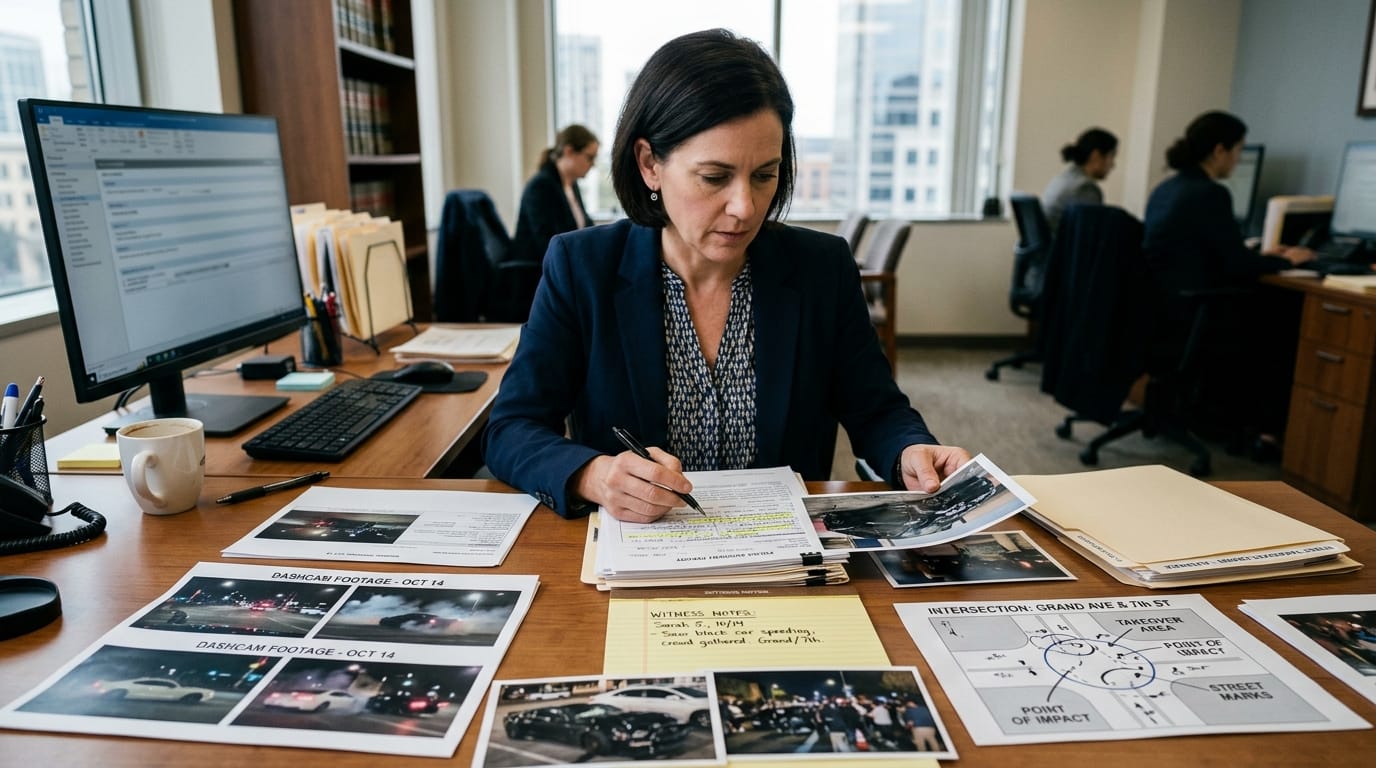
Evidence matters from the first minutes. Take photos of vehicle damage, road debris, skid marks, tire marks, blocked lanes, traffic signals, signs, injuries, and the surrounding area. If a dirt bike, ATV, or motorcycle remains at the scene, photograph it from multiple angles.
Write down details about fleeing riders or drivers. Note clothing, helmet color, vehicle color, decals, direction of travel, and any trailer or truck used to transport vehicles. Even small details can help police or insurers identify the person later.
Look for video sources. Dashcams, helmet cameras, doorbell cameras, traffic cameras, business cameras, and cellphone videos may show the takeover before the crash. This footage can prove the event caused the danger.
If the rider or driver fled, your site’s article on hit-and-run accident claims is a strong internal link. If the crash happened near a disabled car or shoulder, your post on California move-over law accident claims can also support readers.
Digital Evidence Can Disappear Fast
Digital evidence does not last forever. Businesses may overwrite video. Drivers may delete dashcam clips. Social media posts may disappear. Vehicles may get repaired, moved, or hidden.
Victims should act quickly. Save screenshots if people post videos online. Ask nearby businesses about cameras. Keep your own photos and videos in more than one place. A lawyer can also send preservation letters before key evidence disappears.
Technology can also help prove how a crash happened. Dashcams, phone videos, vehicle data, and location records may all matter. Your site’s article on blind-spot detection crash claims explains why modern accident cases often need a deeper evidence review.
Distraction may matter too. A driver who records a takeover while driving may cause a separate crash. A spectator may step into traffic while filming. A driver may look at their phone instead of the road. Your post on 2026 distracted driving crackdowns fits that angle well.
Victims should also avoid quick insurance statements. Insurance adjusters may ask confusing questions before the full evidence is clear. Stick to facts. Do not guess about speed, identity, or fault. Do not accept a fast settlement before you know the full injury and coverage picture.
For a strong authority source, readers can review the CHP’s page on dangerous sideshows and street racing enforcement. CHP explains that enforcement funding aims to reduce fatal and injury crashes tied to reckless driving, street racing, and sideshows.
Final takeaway: Street takeover accident claims can involve reckless riders, illegal vehicles, blocked roads, hit-and-runs, uninsured drivers, organizers, vehicle owners, and several insurance policies. These cases move fast, and evidence can disappear even faster. Get medical care, report the crash, document everything, preserve video, and review every possible source of recovery before accepting an insurance company’s version of the event.